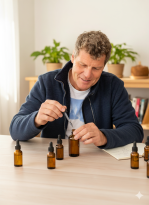
Content 20 ml
Price € 299.00
Free shipping on orders of more than € 30.00
VAT included

The 38 Bach Flowers are divided into 7 subgroups. All the 38 Bach Flowers fall into each of the following categories. Specific problems are tackled by individual flowers. Bach Flower Essences are effective for treating: uncertainty, loneliness issues, fears, vulnerability to influences, despondency and despair, disinterest in life, and over-care for the welfare of others. Read on for more information about each of the 38 Bach Flowers.
Cerato: Aids with decision-making.
Wild Oat: Used to treat those who are at a turning point in life and are unsure of how to proceed.
Hornbeam: Relied on by individuals who feel overburdened with responsibility.
Gorse: Helps people suffering from feelings of hopelessness and despair.
Gentian: Treats discouragement and downheartedness.
Scleranthus: Supports decision-making when we can’t choose between two options.
Heather: Benefits those who others tend to avoid. This happens when the individual obsessively targets different people to talk about personal problems.
Impatiens: Aids individuals in developing a more patient attitude.
Water Violet: Encourages strong, independent people to develop closer interpersonal relationships.
Rock Rose: Helps to treat feelings of terror.
Red Chestnut: Acts to help those who are always worrying about other people.
Mimulus: Aids in controlling known fears.
Cherry Plum: Used to help individuals who fear what they may do.
Aspen: Brings peace to people who frequently feel afraid, but can’t give a name to what’s scaring them.
Holly: Acts to temper aggressive thoughts and feelings towards others.
Centaury: Gives us the power to say ‘no’ and mean it!
Agrimony: Enables effective communication of emotions without fear of disagreement.
Walnut: Helps us to cope during transitions in life.
Larch: Restores lost self-esteem.
Elm: Aids people who feel overwhelmed.
Pine: Soothes away guilt and self-reproach.
Star of Bethlehem: Brings comfort to those suffering from shock.
Oak: Gives us the strength to know when to quit.
Crab Apple: Cleanses body and mind.
Sweet Chestnut: Comforts those experiencing mental anguish.
Willow: Aids in bringing peace to people who frequently feel sorry for themselves.
Chestnut Bud: Helps those who are unable to learn from mistakes.
Mustard: Acts to treat depressed moods when no reason can be given for feeling these emotions.
White Chestnut: Brings life back into focus by restoring mental clarity.
Olive: Reignites our passion for living.
Honeysuckle: Enables us to let go of the past.
Wild Rose: Treats independent people who find it difficult to get involved socially.
Clematis: Grounds a person in reality.
Rock Water: Encourages us not to expect too much from ourselves.
Beech: Acts to make us more tolerant with others.
Vine: Helps those who need to show more respect for ideas from other people.
Vervain: Aids in bringing calmness to those with too much mental energy.
Chicory: Enables us to see the beauty in everyone.
The 38 Bach Flower Essences are used to balance the mind and restore harmony. In Dr. Bach’s system, a holistic approach to healing aims at curing underlying emotional problems. Individual essences are blended to tackle a variety of issues experienced by individuals.
Created by Tom Vermeersch

Tom Vermeersch is a certified Psychologist and Bach flower expert with more than 30 years of experience.

Bach Flower Essence Wild Oat helps individuals to find purpose in life
The Bach Flower Essence Wild Oat is effective when use to treat individuals who suffer due to their lives lacking direction.

Bach Flower Essence Honeysuckle (Lonicera caprifolium)
The Bach Flower Essence Honeysuckle is an effective way to treat people who have a tendency to live in the past.

How should I take the Bach Flower remedies?
The Bach flowers combinations come in bottles of 50 ml. This consists mainly of water. There is a handy eyedropper included as well; this makes it easy to count the amount of drops.

Bach Flower Essence Beech is used to treat intolerance
The Bach Flower Essence Beech is a natural way to treat people who lack tolerance for others. Beech types become suspicious when they are confronted with someone they view as ‘different’.
The main component of the Bach Flower remedies is water. This means that the Bach Flower remedies drops have a very neutral taste.

Bach Flower Essence Rock Rose (Cistaceae)
Bach Flower Essence Rock Rose treats feelings of terror.
What is the difference with homeopathy?
Bach Flower therapy and homeopathy have certain similarities but also have some important differences.

Bach Flower Essence Mimulus (Mimulus guttatus)
Bach Flower Essence Mimulus helps control everyday fears.

Bach Flower Essence Mustard treats feelings of depression
The Bach Flower Essence Mustard is an effective, natural remedy for treating individuals experiencing feelings of intense gloom.

Bach Flower Essence Scleranthus (Scleranthus annus)
Bach Flower Essence Scleranthus helps re-connect our intuition.
The 38 Bach Flowers are divided into 7 subgroups. All the 38 Bach Flowers fall into each of the following categories. Specific problems are tackled by individual flowers. Bach Flower Essences are effective for treating: uncertainty, loneliness issues, fears, vulnerability to influences, despondency and despair, disinterest in life, and over-care for the welfare of others. Read on for more information about each of the 38 Bach Flowers.

Cerato: Aids with decision-making.
Wild Oat: Used to treat those who are at a turning point in life and are unsure of how to proceed.
Hornbeam: Relied on by individuals who feel overburdened with responsibility.
Gorse: Helps people suffering from feelings of hopelessness and despair.
Gentian: Treats discouragement and downheartedness.
Scleranthus: Supports decision-making when we can’t choose between two options.
Heather: Benefits those who others tend to avoid. This happens when the individual obsessively targets different people to talk about personal problems.
Impatiens: Aids individuals in developing a more patient attitude.
Water Violet: Encourages strong, independent people to develop closer interpersonal relationships.
Rock Rose: Helps to treat feelings of terror.
Red Chestnut: Acts to help those who are always worrying about other people.
Mimulus: Aids in controlling known fears.
Cherry Plum: Used to help individuals who fear what they may do.
Aspen: Brings peace to people who frequently feel afraid, but can’t give a name to what’s scaring them.
Holly: Acts to temper aggressive thoughts and feelings towards others.
Centaury: Gives us the power to say ‘no’ and mean it!
Agrimony: Enables effective communication of emotions without fear of disagreement.
Walnut: Helps us to cope during transitions in life.
Larch: Restores lost self-esteem.
Elm: Aids people who feel overwhelmed.
Pine: Soothes away guilt and self-reproach.
Star of Bethlehem: Brings comfort to those suffering from shock.
Oak: Gives us the strength to know when to quit.
Crab Apple: Cleanses body and mind.
Sweet Chestnut: Comforts those experiencing mental anguish.
Willow: Aids in bringing peace to people who frequently feel sorry for themselves.
Chestnut Bud: Helps those who are unable to learn from mistakes.
Mustard: Acts to treat depressed moods when no reason can be given for feeling these emotions.
White Chestnut: Brings life back into focus by restoring mental clarity.
Olive: Reignites our passion for living.
Honeysuckle: Enables us to let go of the past.
Wild Rose: Treats independent people who find it difficult to get involved socially.
Clematis: Grounds a person in reality.
Rock Water: Encourages us not to expect too much from ourselves.
Beech: Acts to make us more tolerant with others.
Vine: Helps those who need to show more respect for ideas from other people.
Vervain: Aids in bringing calmness to those with too much mental energy.
Chicory: Enables us to see the beauty in everyone.
The 38 Bach Flower Essences are used to balance the mind and restore harmony. In Dr. Bach’s system, a holistic approach to healing aims at curing underlying emotional problems. Individual essences are blended to tackle a variety of issues experienced by individuals.
The Bach Flower Essence Wild Oat is effective when use to treat individuals who suffer due to their lives lacking direction.
Read the complete article
The Bach Flower Essence Honeysuckle is an effective way to treat people who have a tendency to live in the past.
Read the complete article
The Bach flowers combinations come in bottles of 50 ml. This consists mainly of water. There is a handy eyedropper included as well; this makes it easy to count the amount of drops.
Read the complete article
The Bach Flower Essence Beech is a natural way to treat people who lack tolerance for others. Beech types become suspicious when they are confronted with someone they view as ‘different’.
Read the complete article
The main component of the Bach Flower remedies is water. This means that the Bach Flower remedies drops have a very neutral taste.
Read the complete article
Bach Flower Essence Rock Rose treats feelings of terror.
Read the complete article
Bach Flower therapy and homeopathy have certain similarities but also have some important differences.
Read the complete article
Bach Flower Essence Mimulus helps control everyday fears.
Read the complete article
The Bach Flower Essence Mustard is an effective, natural remedy for treating individuals experiencing feelings of intense gloom.
Read the complete article
Bach Flower Essence Scleranthus helps re-connect our intuition.
Read the complete articleBach Flowers are not medicinal but harmless plant extracts which are used to support health.
© 2026 Mariepure - Webdesign Publi4u

Are you unsure which Bach flowers can help you? Contact Tom for free advice.