Content 50 ml
Recommended treatment
Free shipping on orders of more than € 30.00
VAT included

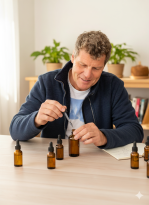
Many people suffer from anxiety. But you'd never guess it because they develop their own coping mechanisms and keep their worries to themselves. But when anxiety becomes overwhelming, it sometimes turns into a full-blown panic attack which is very distressing. If you experience anxiety and panic attacks, Bach Flowers Mix 85 helps you to feel calmer and in control.
The causes of anxiety and panic attacks are not always clear. But if you can identify the emotions, experiences or events that trigger anxiety symptoms, you can learn to manage them or avoid them altogether.
An upsetting health diagnosis is one of the most common anxiety triggers, and anxiety caused by health worries can be overwhelming. But you can reduce its impact by working with your doctor or a therapist and learn to manage the emotions triggered by your diagnosis.
Some over the counter and prescription drugs can trigger anxiety symptoms, including:
They may contain ingredients that can make you feel unwell or uneasy and trigger anxiety symptoms. Talk to a doctor or pharmacist to find an alternative treatment that won't make your anxiety worse.
Studies have found that people with social anxiety and panic disorder are more likely to find that caffeine can trigger anxiety symptoms. So avoid drinks containing caffeine or try caffeine-free versions of coffee, tea and cola.
If you skip meals, your blood sugars may drop too low, and you might feel shaky, agitated and anxious. Remember to keep some healthy snack to hand when you're too busy to stop for a meal.
If you think of yourself in negative terms when something goes wrong, making you frustrated or upset, the negative language you use may trigger anxiety. Learning to replace negative thinking with positivity will help to control your anxiety levels.
Debt, unexpected bills and fears about future finance are all common anxiety triggers. The best way to deal with these triggers is to seek advice from someone whose judgement you trust. Whether a friend, a family member or a professional financial adviser, having someone to guide you in making financial decisions will reduce stress.
If you suffer from social anxiety, an event where you're required to interact with strangers can be a trigger. You might feel tempted to avoid social occasions, but then you'll be missing out on many opportunities. Taking a companion with you can help to give you confidence. A therapist can also advise on techniques to help you cope.
Arguments and relationship problems are common triggers for anxiety. If conflict triggers you, conflict resolution strategies may be helpful.
Chronic or long term stress can lead to worsening symptoms of anxiety and a host of other health issues. When you're constantly stressed, you may develop unhealthy habits such as skipping meals, drinking alcohol and sleeping poorly, behaviours that may also trigger anxiety.
A bad memory, a place, a smell or a song: a personal trigger is something that reminds you of a traumatic event. People with PTSD ( post-traumatic stress disorder) often find that anxiety is triggered by something in the environment - for example, a loud bang may remind them of gunfire or a car crash.
It can take time to identify personal triggers, but it's essential so that you can learn coping mechanisms to overcome them.
Making some simple changes to your lifestyle and adopting healthy habits can help to keep your anxiety under control.
Sleep deprivation can cause anxiety, so try to get 7 - 9 hours of sleep a night. Establishing an evening routine will help you to sleep better. Turn off your screens for a couple of hours before bedtime and avoid caffeine and alcohol in the evening.
Make time for exercise in your daily schedule. Whether cycling, running, or just a quick walk, exercise is a great way to boost endorphins and reduce stress.
Meditating for five minutes every day can help you stop worrying about the past and the future and be attentive to the present.
Some people worry about posting something every day and then get even more anxious if they don't get enough likes. Comparing yourself to others who seem to be happier, wealthier or more attractive can also trigger anxiety, so try to limit the time you spend on social media.
Writing a journal can be an excellent way of stopping our thoughts from racing, one of the most common symptoms of anxiety. And keeping track of your thoughts and feelings can help you to identify your anxiety triggers.
Certain foods have been shown to promote brain health and reduce symptoms of anxiety. Try including the following in your diet:
Salmon is rich in vitamin D and omega-3 fatty acids, substances that are good for brain health.
Chamomile contains antioxidants that protect against inflammation and also promotes sleep.
Turmeric contains the antioxidant compound curcumin, which seems to help the brain synthesise the omega-3 fatty acid DHA.
The flavonols in dark chocolate increase serotonin levels and help improve blood flow to the brain. So a few squares of chocolate will boost your ability to cope with stress and anxiety.
Scientists increasingly link gut health with mental health, and yoghurt is an excellent source of probiotics and healthy bacteria. A healthy gut improves brain function and can help you feel calmer.
While there's often no quick fix for anxiety symptoms, there are many ways to treat the condition. The first step in managing anxiety is to identify any triggers; you can then learn mechanisms to help you cope. However, if your anxiety is so severe that it affects your daily life, seek help from a doctor or therapist.
Sources:
https://www.mayoclinic.org/diseases-conditions/anxiety/symptoms-causes/syc-20350961#:~:text=Anxiety%20disorder%20due%20to%20a,%E2%80%94%20even%20ordinary%2C%20routine%20issues.
https://www.nhs.uk/mental-health/conditions/panic-disorder/
https://www.medicalnewstoday.com/articles/322652
Created by Tom Vermeersch

Tom Vermeersch is a certified Psychologist and Bach flower expert with more than 30 years of experience.

What makes it so hard to go back to school?
Going back to school during a pandemic is a new experience for everyone, and it's understandable if children are feeling anxious about it. We take a look at some of the issues and how you can help your child to get ready for returning to the classroom.

7 tips to help your dog with a fear of fireworks
As nice as it is for a person to celebrate New Year, it's not so nice for a dog, especially when the loud fireworks go off the whole night. This is really frightening for many dogs. Read our 7 tips on how you can help your dog with his fear of fireworks.

How to beat irrational anxieties
Irrational anxieties can seem overwhelming, affecting every aspect of your life. Learn how to beat your fears and worries and take back control.

Feeling blue? You're not alone! We all feel sad at times; it's a normal human emotion. Sometimes, it's clear to see what has triggered our depression. Common reasons for feeling sad include bereavement, the end of a relationship, losing your job or money problems. But it's not always so clearcut.

Feel like everyone takes you for granted? Whether it's working late to prepare a presentation or cooking a special birthday meal for your partner, it's nice to be appreciated when you've made an extra effort. And if it seems as if people don't notice, you might feel as if no one values you.

Standing Up To A Narcissistic Pervert
Whether it's with a romantic partner or a housemate, there's no doubt that a relationship with a narcissist can be very challenging. But are there ways to cope better? Or is it better to leave the relationship?

It's often difficult to say no, but some people never do! So how do you know when to say no and when to say yes?

Did you get stuck in the past?
Do you find yourself often thinking about your past? Do you wish you could turn back the clock to days gone by or things as they were before covid disrupted the world?

Live Forever: the Habits of People Who Live a Long, Healthy Life
Legends of immortality have been told and retold throughout history. From ancient Greek myths to modern movies and novels, the dream of eternal youth has been passed down from generation to generation.

Is my anxiety (ir)rational? Find out!
Many people struggle with irrational thoughts that may actually make their anxiety worse. Take our quiz to find out if your fears are irrational or not!
Many people suffer from anxiety. But you'd never guess it because they develop their own coping mechanisms and keep their worries to themselves. But when anxiety becomes overwhelming, it sometimes turns into a full-blown panic attack which is very distressing. If you experience anxiety and panic attacks, Bach Flowers Mix 85 helps you to feel calmer and in control.
The causes of anxiety and panic attacks are not always clear. But if you can identify the emotions, experiences or events that trigger anxiety symptoms, you can learn to manage them or avoid them altogether.

An upsetting health diagnosis is one of the most common anxiety triggers, and anxiety caused by health worries can be overwhelming. But you can reduce its impact by working with your doctor or a therapist and learn to manage the emotions triggered by your diagnosis.
Some over the counter and prescription drugs can trigger anxiety symptoms, including:
They may contain ingredients that can make you feel unwell or uneasy and trigger anxiety symptoms. Talk to a doctor or pharmacist to find an alternative treatment that won't make your anxiety worse.
Studies have found that people with social anxiety and panic disorder are more likely to find that caffeine can trigger anxiety symptoms. So avoid drinks containing caffeine or try caffeine-free versions of coffee, tea and cola.
If you skip meals, your blood sugars may drop too low, and you might feel shaky, agitated and anxious. Remember to keep some healthy snack to hand when you're too busy to stop for a meal.
If you think of yourself in negative terms when something goes wrong, making you frustrated or upset, the negative language you use may trigger anxiety. Learning to replace negative thinking with positivity will help to control your anxiety levels.
Debt, unexpected bills and fears about future finance are all common anxiety triggers. The best way to deal with these triggers is to seek advice from someone whose judgement you trust. Whether a friend, a family member or a professional financial adviser, having someone to guide you in making financial decisions will reduce stress.
If you suffer from social anxiety, an event where you're required to interact with strangers can be a trigger. You might feel tempted to avoid social occasions, but then you'll be missing out on many opportunities. Taking a companion with you can help to give you confidence. A therapist can also advise on techniques to help you cope.
Arguments and relationship problems are common triggers for anxiety. If conflict triggers you, conflict resolution strategies may be helpful.
Chronic or long term stress can lead to worsening symptoms of anxiety and a host of other health issues. When you're constantly stressed, you may develop unhealthy habits such as skipping meals, drinking alcohol and sleeping poorly, behaviours that may also trigger anxiety.
A bad memory, a place, a smell or a song: a personal trigger is something that reminds you of a traumatic event. People with PTSD ( post-traumatic stress disorder) often find that anxiety is triggered by something in the environment - for example, a loud bang may remind them of gunfire or a car crash.
It can take time to identify personal triggers, but it's essential so that you can learn coping mechanisms to overcome them.
Making some simple changes to your lifestyle and adopting healthy habits can help to keep your anxiety under control.
Sleep deprivation can cause anxiety, so try to get 7 - 9 hours of sleep a night. Establishing an evening routine will help you to sleep better. Turn off your screens for a couple of hours before bedtime and avoid caffeine and alcohol in the evening.
Make time for exercise in your daily schedule. Whether cycling, running, or just a quick walk, exercise is a great way to boost endorphins and reduce stress.
Meditating for five minutes every day can help you stop worrying about the past and the future and be attentive to the present.
Some people worry about posting something every day and then get even more anxious if they don't get enough likes. Comparing yourself to others who seem to be happier, wealthier or more attractive can also trigger anxiety, so try to limit the time you spend on social media.
Writing a journal can be an excellent way of stopping our thoughts from racing, one of the most common symptoms of anxiety. And keeping track of your thoughts and feelings can help you to identify your anxiety triggers.
Certain foods have been shown to promote brain health and reduce symptoms of anxiety. Try including the following in your diet:
Salmon is rich in vitamin D and omega-3 fatty acids, substances that are good for brain health.
Chamomile contains antioxidants that protect against inflammation and also promotes sleep.
Turmeric contains the antioxidant compound curcumin, which seems to help the brain synthesise the omega-3 fatty acid DHA.
The flavonols in dark chocolate increase serotonin levels and help improve blood flow to the brain. So a few squares of chocolate will boost your ability to cope with stress and anxiety.
Scientists increasingly link gut health with mental health, and yoghurt is an excellent source of probiotics and healthy bacteria. A healthy gut improves brain function and can help you feel calmer.
While there's often no quick fix for anxiety symptoms, there are many ways to treat the condition. The first step in managing anxiety is to identify any triggers; you can then learn mechanisms to help you cope. However, if your anxiety is so severe that it affects your daily life, seek help from a doctor or therapist.
Sources:
https://www.mayoclinic.org/diseases-conditions/anxiety/symptoms-causes/syc-20350961#:~:text=Anxiety%20disorder%20due%20to%20a,%E2%80%94%20even%20ordinary%2C%20routine%20issues.
https://www.nhs.uk/mental-health/conditions/panic-disorder/
https://www.medicalnewstoday.com/articles/322652
Going back to school during a pandemic is a new experience for everyone, and it's understandable if children are feeling anxious about it. We take a look at some of the issues and how you can help your child to get ready for returning to the classroom.
As nice as it is for a person to celebrate New Year, it's not so nice for a dog, especially when the loud fireworks go off the whole night. This is really frightening for many dogs. Read our 7 tips on how you can help your dog with his fear of fireworks.
Irrational anxieties can seem overwhelming, affecting every aspect of your life. Learn how to beat your fears and worries and take back control.
Feeling blue? You're not alone! We all feel sad at times; it's a normal human emotion. Sometimes, it's clear to see what has triggered our depression. Common reasons for feeling sad include bereavement, the end of a relationship, losing your job or money problems. But it's not always so clearcut.
Feel like everyone takes you for granted? Whether it's working late to prepare a presentation or cooking a special birthday meal for your partner, it's nice to be appreciated when you've made an extra effort. And if it seems as if people don't notice, you might feel as if no one values you.
Read the complete article
Whether it's with a romantic partner or a housemate, there's no doubt that a relationship with a narcissist can be very challenging. But are there ways to cope better? Or is it better to leave the relationship?
It's often difficult to say no, but some people never do! So how do you know when to say no and when to say yes?
Do you find yourself often thinking about your past? Do you wish you could turn back the clock to days gone by or things as they were before covid disrupted the world?
Legends of immortality have been told and retold throughout history. From ancient Greek myths to modern movies and novels, the dream of eternal youth has been passed down from generation to generation.
Read the complete article
Many people struggle with irrational thoughts that may actually make their anxiety worse. Take our quiz to find out if your fears are irrational or not!
Bach Flowers are not medicinal but harmless plant extracts which are used to support health.
© 2026 Mariepure - Webdesign Publi4u

Are you unsure which Bach flowers can help you? Contact Tom for free advice.